Explore Cameroon
History
From Early Civilisations to the Modern Republic
Cameroon’s history stretches from early migration patterns and trans-Saharan trade to European contact, colonial rule, independence, reunification, and the formation of the modern state.
Ancient Foundations
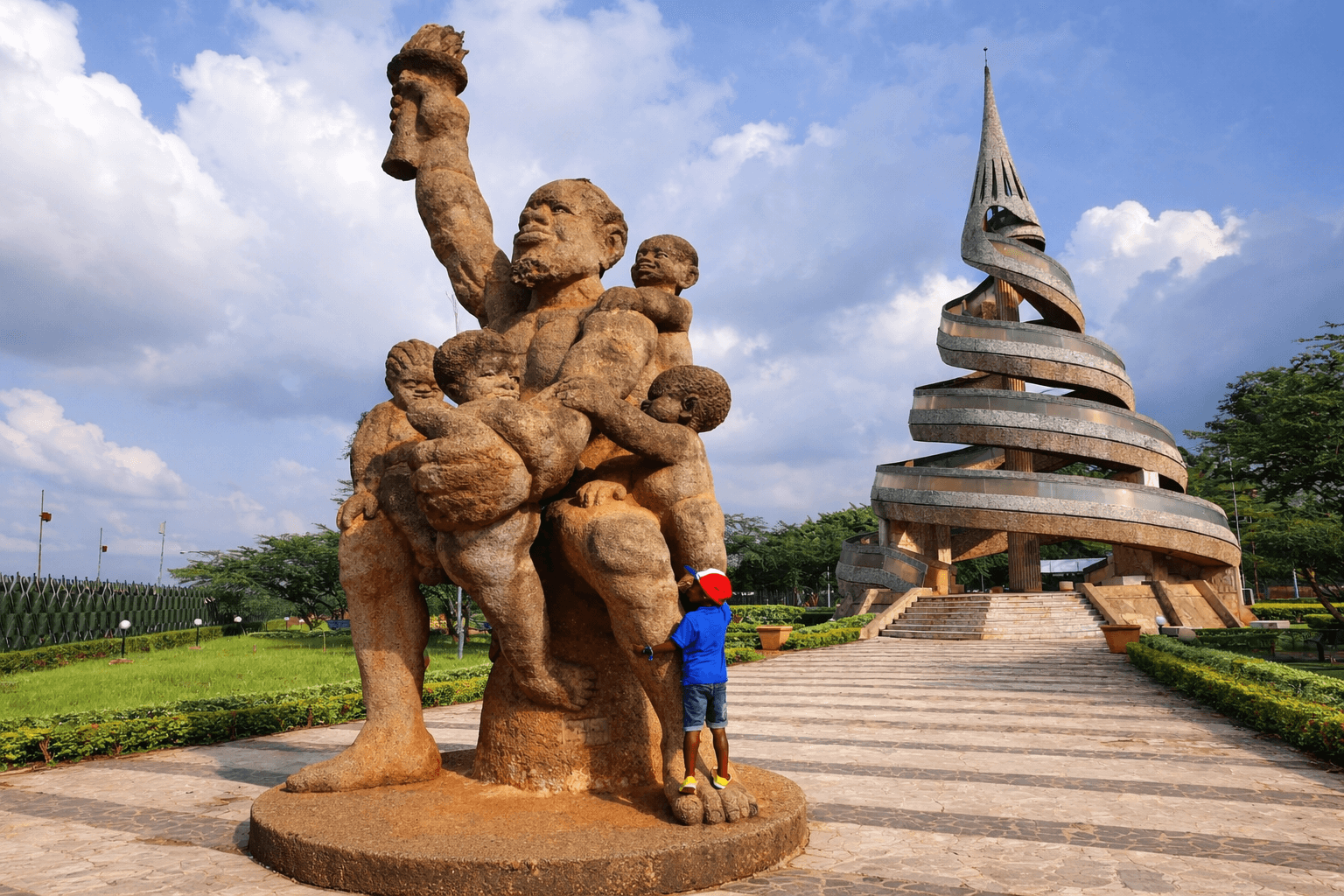
The history of Cameroon begins with early explorers, Bantu migrations, and the development of local cultures and communities across the territory.
Colonial Encounters
Portuguese, Dutch, British, French, and German influences shaped trade, religion, administration, and territorial control over time.
Nation Building
Independence, reunification, constitutional change, and political transition all played central roles in the making of modern Cameroon.
Explore Cameroon
Early History and Ancient Settlements
Around 500 BC, the explorer Hanno of Carthage in North Africa, present-day Tunisia, was reported to be the first foreigner to see Mount Cameroon. In the centuries that followed, trade in slaves and goods developed in the northern part of Cameroon through the Sahara into North Africa.
Between 200 and 100 BC, the first Bantu tribes emigrated from Nigeria into the north of Cameroon. Traditionally, these communities were largely farmers and required extensive land for agriculture. As they expanded, the original inhabitants, often referred to as Pygmies, were gradually pushed deeper into the forests.
Later, Sao culture developed south of Lake Chad, and many ethnic communities emerged across the territory. Over time, Cameroon became home to extraordinary ethnic diversity, with more than 150 groups in earlier periods and about 250 today.
Explore Cameroon
Europeans Arrival
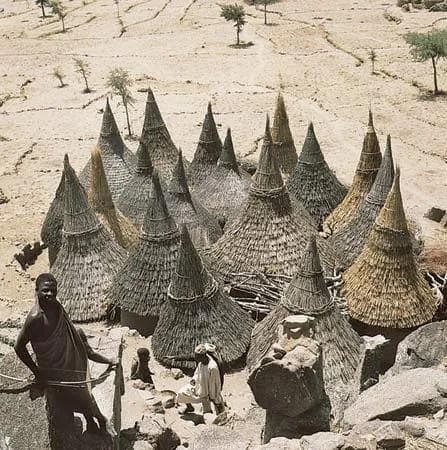
In 1472, Portuguese explorers led by Fernando Pó became the first Europeans to reach the coast of Cameroon. They arrived in Douala through the Wouri River and named it “Rio dos Camarões”, meaning River of Prawns, from which the country later derived its name.
With the arrival of Europeans, business and the slave trade shifted from the central interior toward the coastal areas. Local chiefs gained increasing power by signing agreements with the Portuguese and later with traders from England, Holland, France, and Germany.
These chiefs often acted as intermediaries between European merchants and local communities. Slaves and ivory were among the principal exports, while Europeans traded cloth and metal products.
Around 1520, some Portuguese settlers established plantations and expanded the trans-Atlantic slave trade. Cattle farmers migrating from Nigeria pushed indigenous populations further into the forests, and struggles over land increased displacement and vulnerability to slave raiders.
By 1600, the Dutch had taken over the slave trade in Cameroon. In the 1700s, British missionaries began protesting the slave trade. London Baptist missionaries later founded a Christian settlement in Victoria, now Limbe, where freed slaves from Jamaica, Ghana, and Liberia, as well as African converts to Christianity, settled.
By 1845, trade with Europe was gradually changing. Alfred Saker, an English naval engineer, founded the first European business complex and built schools and churches in Douala along the Wouri River. As the slave trade declined, European commercial focus shifted toward natural resources such as palm oil, ivory, and gold.
As Europeans moved further into the interior, the influence of Douala chiefs began to weaken. King Manga Bell of Douala even wrote to Queen Victoria of England requesting an official relationship, but Britain hesitated to make Cameroon a protectorate, creating room for German expansion.
Explore Cameroon
From Slave Trade to Colonial Control
In 1863, slavery was abolished in America, though European states had already done so earlier, even if illegal slave trading continued for many years.
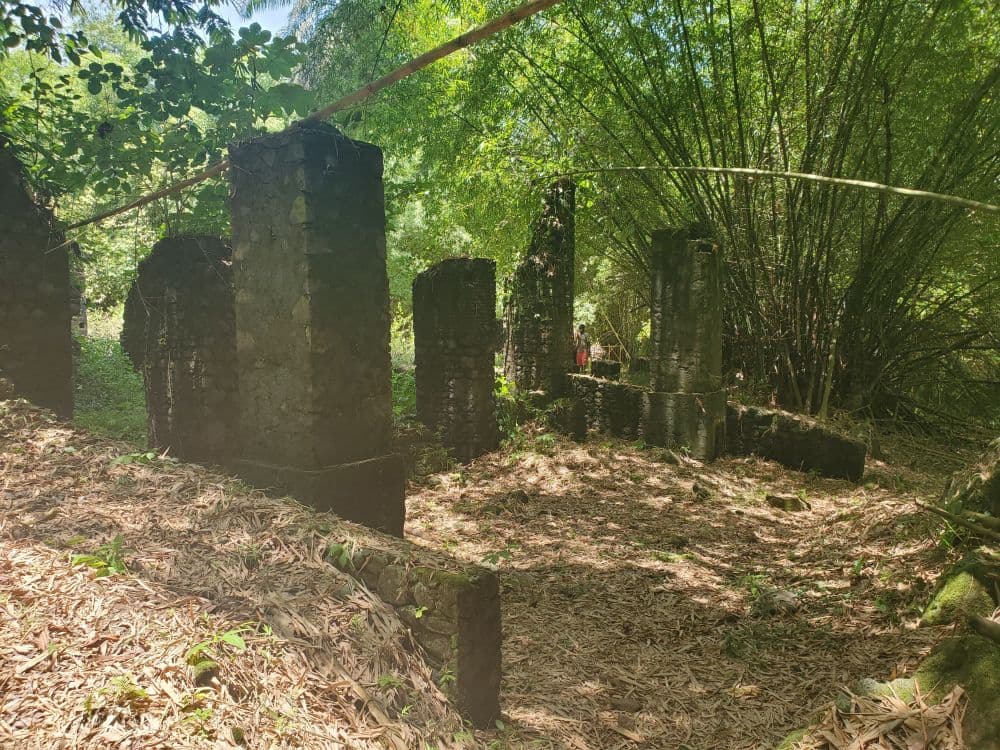
On 12 July 1884, Gustav Nachtigal signed a treaty with the chiefs of Douala on behalf of the German Emperor, Kaiser Wilhelm. In exchange for trade protection and political recognition, the chiefs accepted German authority, and Cameroon became a German protectorate.
Germany soon consolidated its control over the territory, developing plantations, infrastructure, and administration, while also imposing forced labour and military repression in several areas.
During the First World War, German control collapsed, and by 1916 the territory was divided between Britain and France. France received the larger eastern portion, while Britain administered two western strips along the Nigerian border.
This division laid the foundations for two distinct colonial legacies that would shape Cameroon’s later political development.

Contact Us
Would you like to learn more about Cameroon, its national story, or related cultural and historical information? Reach out through the High Commission contact page.